Starting from scratch
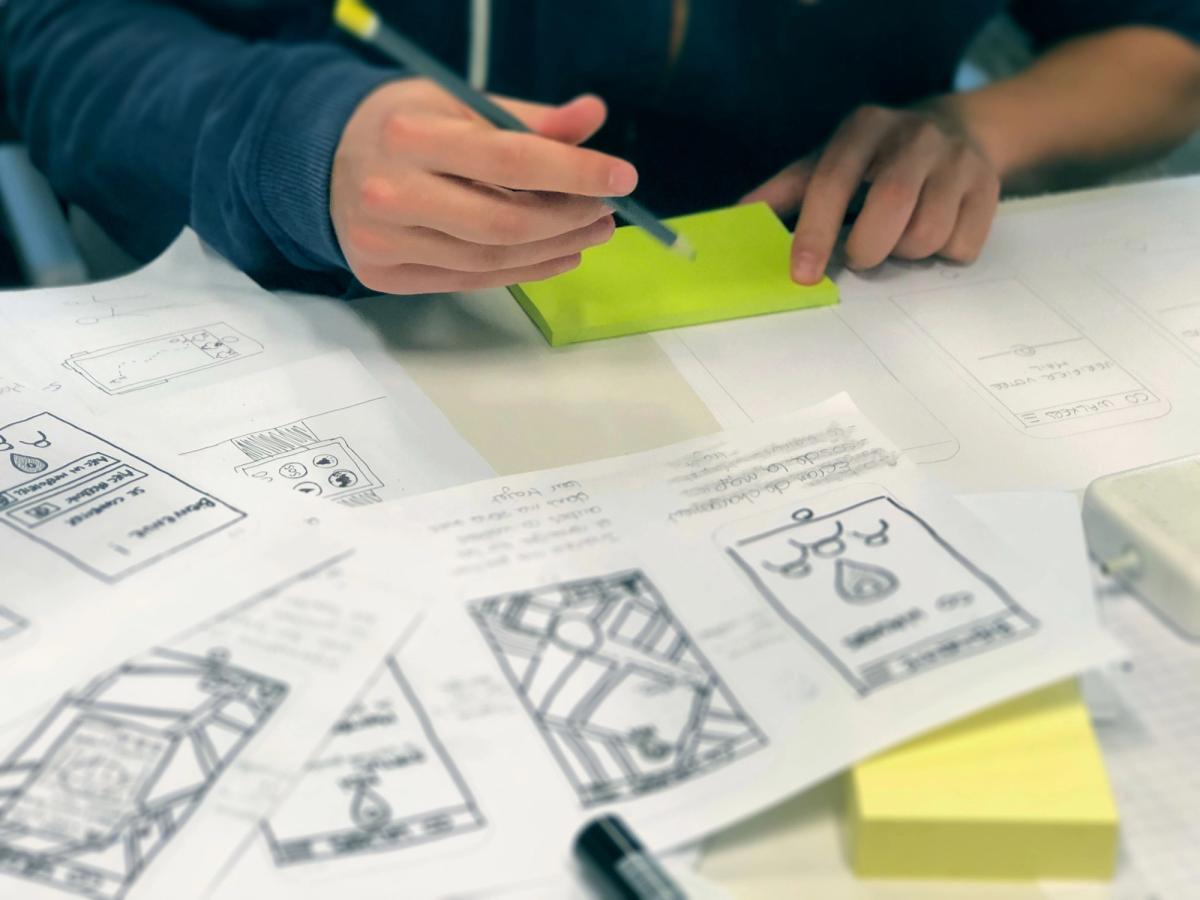
A greenfields build is the hardest kind to get right. Not because the engineering is more complex, but because there's no existing product to anchor the decisions. Every call about scope, architecture, and user experience is made in the absence of real-world feedback.
The teams that navigate this well aren't the ones who move fastest. They're the ones who resist the pull to build everything at once, stay close to what users actually need, and treat the first version as a test of assumptions rather than a declaration of the finished product.
We've helped NZ tech companies build greenfields products across numerous domains. The pattern that works is consistent: start with a genuine understanding of the problem, build the smallest thing that proves the idea, then iterate with real users before scaling the platform.
AI has changed the economics of this meaningfully. A prototype that once took months can now be built and in front of users in weeks. That's genuinely useful. But AI builds fast in whatever direction you point it. The judgement about which direction that should be - and when to stop - still comes from experienced people who've seen what happens when it goes wrong.
Scaling what you've already built
Growth exposes the decisions you made under pressure when the product was younger. APIs that made sense at a hundred users start to buckle at ten thousand. The data model that worked for one customer doesn't scale to fifty. Security and compliance requirements arrive that your current stack wasn't designed for.
We help you work out what needs to change, what can stay, and how to do it without stopping the business while the work is happening. That's not a simple problem. Modernising a live product is more like performing surgery than construction. You have to understand the system well enough to know what's safe to move and what will cause problems downstream if you touch it.
We've done this kind of work on platforms handling millions of records, across regulated industries, with real consequences for getting it wrong. That experience matters here more than anywhere.
Filling the gaps in your team
Most scaling tech companies have a core team that's strong in some areas and thin in others. Solid backend engineers and nobody who really owns UX. A front end that works but has never had a proper design pass. Infrastructure that runs but hasn't been built with enterprise-grade compliance in mind.
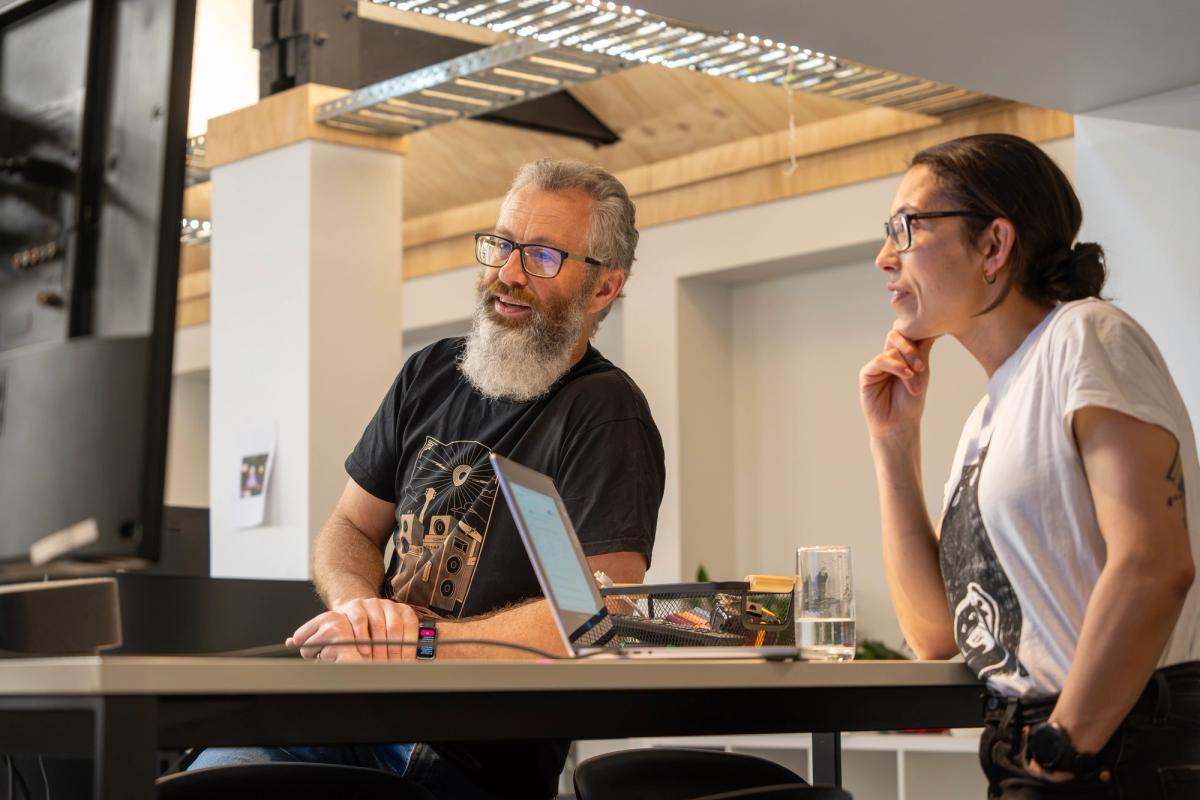
We integrate with your team rather than replacing it. We bring the specific depth you're missing, work alongside the people you already have, and leave things in better shape than we found them. We're not a body shop. We don't just send CVs. We assemble the right team for your context, and the senior people you meet at the start are the ones doing the work.
How we work
We cover the full lifecycle. Strategy and architecture, UX research and design, software engineering, and managed services once you're live. You can bring us in at any stage, but the earlier we're involved, the more we can shape what gets built.
Discovery comes before build. We've held to that through twenty-five years of projects, and the evidence is consistent: the time spent understanding the problem properly is the time that saves the most money later. With AI compressing build timelines, that ratio has shifted even further in favour of investing in discovery.
Once the product is live, we stick around. We maintain and evolve what we build. That's not just a service offering. It's a quality signal. We build things we're prepared to support for years.
What makes a good fit ?
We work best with companies where software is central to the business, not a support function. Where the decision-makers understand what's at stake technically. Where there's appetite to invest in doing it properly rather than just getting something shipped.
You don't need a fully formed brief. Some of the best projects we've worked on started with a conversation about a problem, not a spec. But you do need a genuine idea, a realistic sense of the investment involved, and the commitment to see it through properly.
If that sounds like where you're at, get in touch. We'll tell you honestly whether we're the right fit.
Tell us what you're building. We'll tell you what it takes.
Let's TalkHow we work
-
Build the right thing first
The most expensive mistake in software isn't a bug or a missed deadline. It's building the wrong thing. A product that works technically but doesn't solve the right problem, or solves it in a way users won't actually adopt.
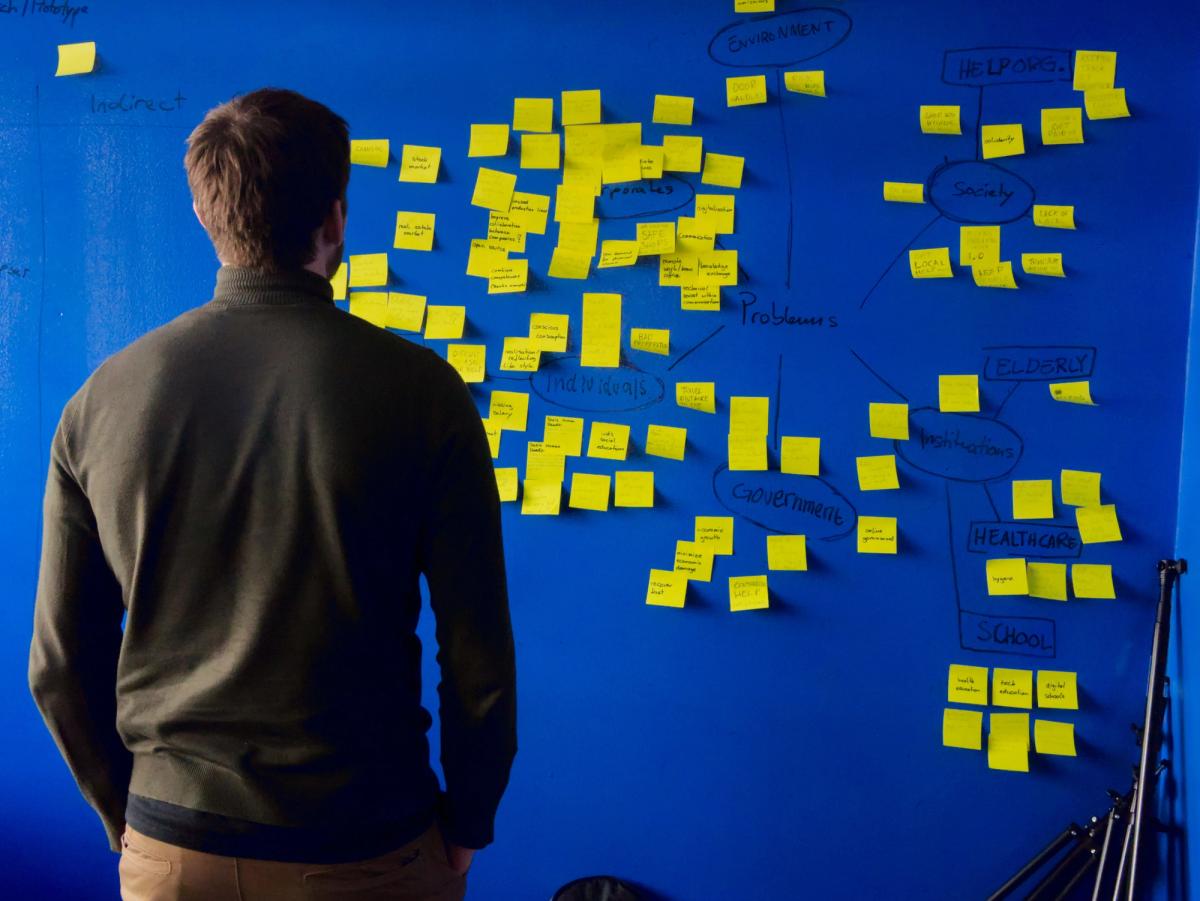
We spend real time in discovery before we write a line of code. Understanding the problem, pressure-testing the assumptions, and making sure what gets built is worth building. That's not a formality. It's where most of the value is.
-
Senior people, start to finish
The team you meet when you're evaluating a partner is often not the team that does the work. Senior people pitch, junior people deliver. It's common enough that most experienced buyers know to ask about it.
At MadeCurious, the senior people you talk to at the start are the ones actually on your project. We don't operate that way as a policy we operate that way because we think it produces better work and we're willing to back that with how we staff.
-
We stick around
The day we hand over a finished product is the day you've had exactly zero value from it. The value comes from years of the thing running, improving, and keeping pace with a business that's growing around it.
We maintain what we build. Not as an upsell, but as a natural extension of caring whether it works. If we're not prepared to support something long-term, that's a signal worth paying attention to during the build.
Our Approach
We've been working with Aotearoa's hardware, software, and SaaS companies for more than a decade. The problems are rarely the same twice, which is part of what makes it interesting.
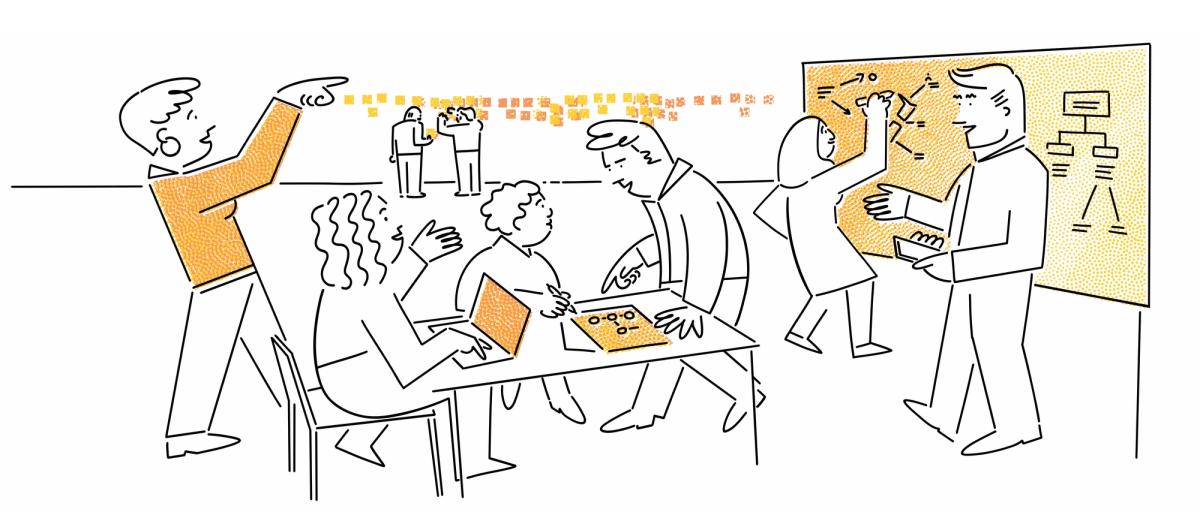
What stays consistent is how we approach the work. We get close to your context before we propose a solution. We bring the right people for the problem, not a standard team shape. And we're deliberate about transferring knowledge into your team as we go - because a good technical partner should make you less dependent on them over time, not more.
Tell us what you're building
We'll tell you honestly whether we're the right fit - and what it would take to do it properly. Tell us what you need and we'll be in touch within two business days.
Case Studies
View All Case Studies- Companion Animals NZNZ Companion Animal Register
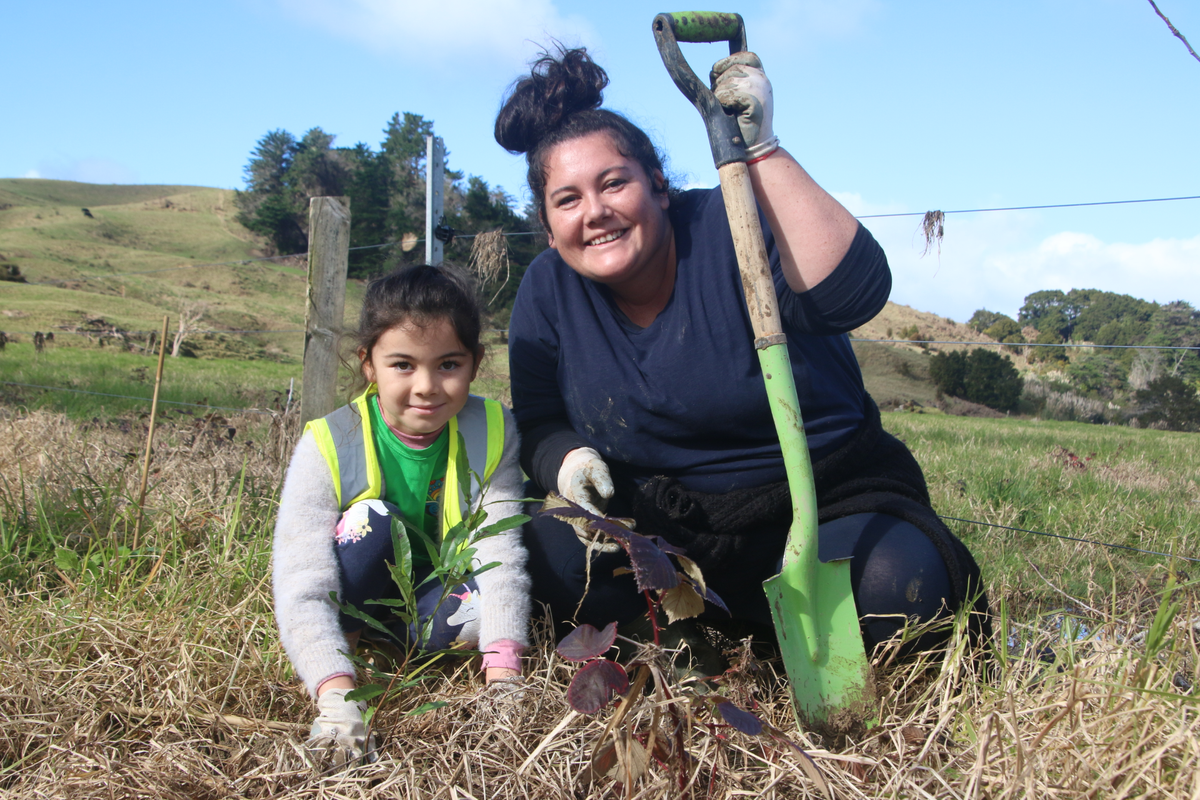
- Te Uru KahikaKaipara Moana Remediation
- NZ SaaS CompanyBuilding the platform a SaaS startup needed to own