Modern software teams spend a lot of time trying to reduce complexity. It’s a sensible goal. Simpler systems are easier to understand, maintain and evolve.
But here’s the reality. The best software products don’t become simpler over time. They become more complex. Every new customer, integration, regulation and feature adds another layer. As AI accelerates software development, that complexity is growing faster than ever.
The question isn’t how to eliminate complexity. It’s how to navigate it.
Why Software Complexity Is Inevitable
Complexity often gets treated as a sign something has gone wrong. Sometimes that’s true. Poor architecture, rushed decisions and duplicated functionality all create unnecessary complexity.
But much of today’s software complexity is earned. Growing businesses serve more customers. They support more workflows, connect with more platforms and operate across more markets. Their software naturally becomes more sophisticated.
The challenge is knowing which complexity creates value and which creates friction. That’s a very different conversation.
Why No One Understands an Entire Codebase
There’s an assumption in software engineering that every developer should understand the entire codebase. In reality, that’s rarely possible.
Modern digital products are living systems. They evolve continuously, with new features, integrations and improvements being introduced every week. No single engineer holds every detail in their head. Nor should they.
Experienced teams don’t wait until they understand everything before making progress. They build enough understanding to make informed decisions, then validate those decisions through collaboration, testing and feedback.
Understanding becomes progressive rather than absolute. The risk arises when the gap between what a system does and what the team understands becomes too wide. This is sometimes described as comprehension debt.
How AI Is Changing Software Engineering
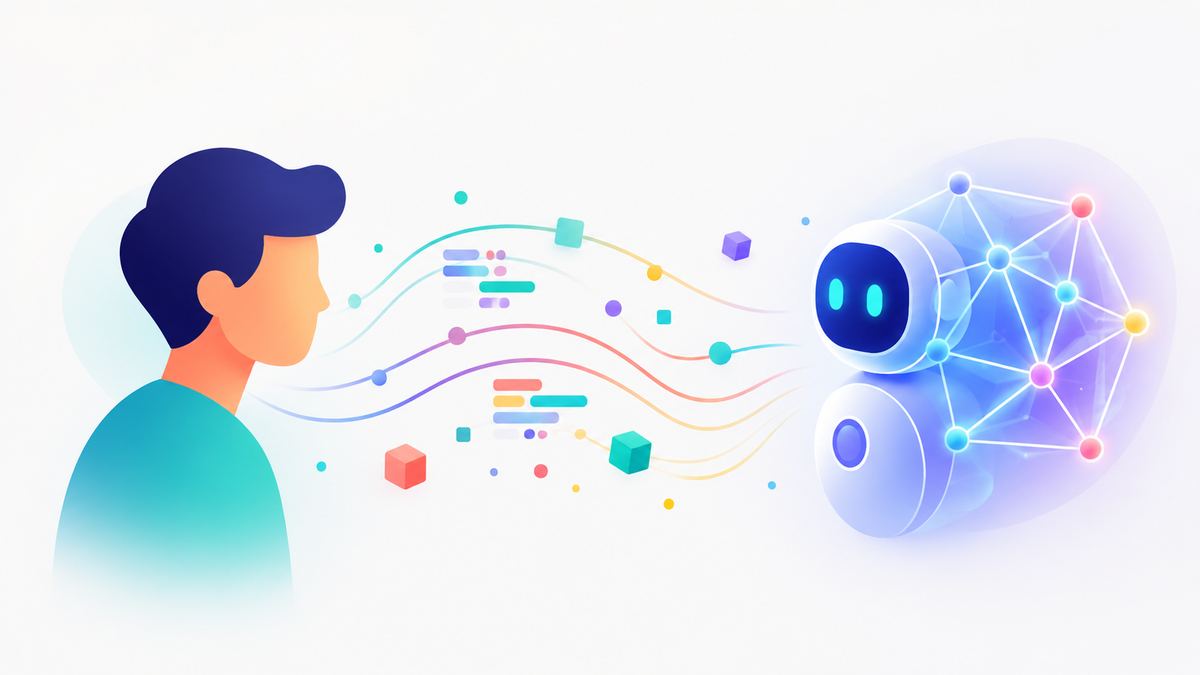
The rise of AI has accelerated software delivery dramatically. Tasks that once took days can now take hours. Boilerplate code, repetitive testing and routine implementation are increasingly handled by AI-powered tools. GitHub’s 2025 Octoverse report found 41% of code commits are now AI-assisted, yet comments on those commits dropped 27% even as pull request volume rose 20%. The brutal reality is that code is being produced faster than anyone is reviewing it.
That doesn’t make human engineers less valuable, but it does shift where they create it. As we explored in AI Is Changing Software Engineering, Not How You Think, AI tends to amplify clear thinking rather than replace it.
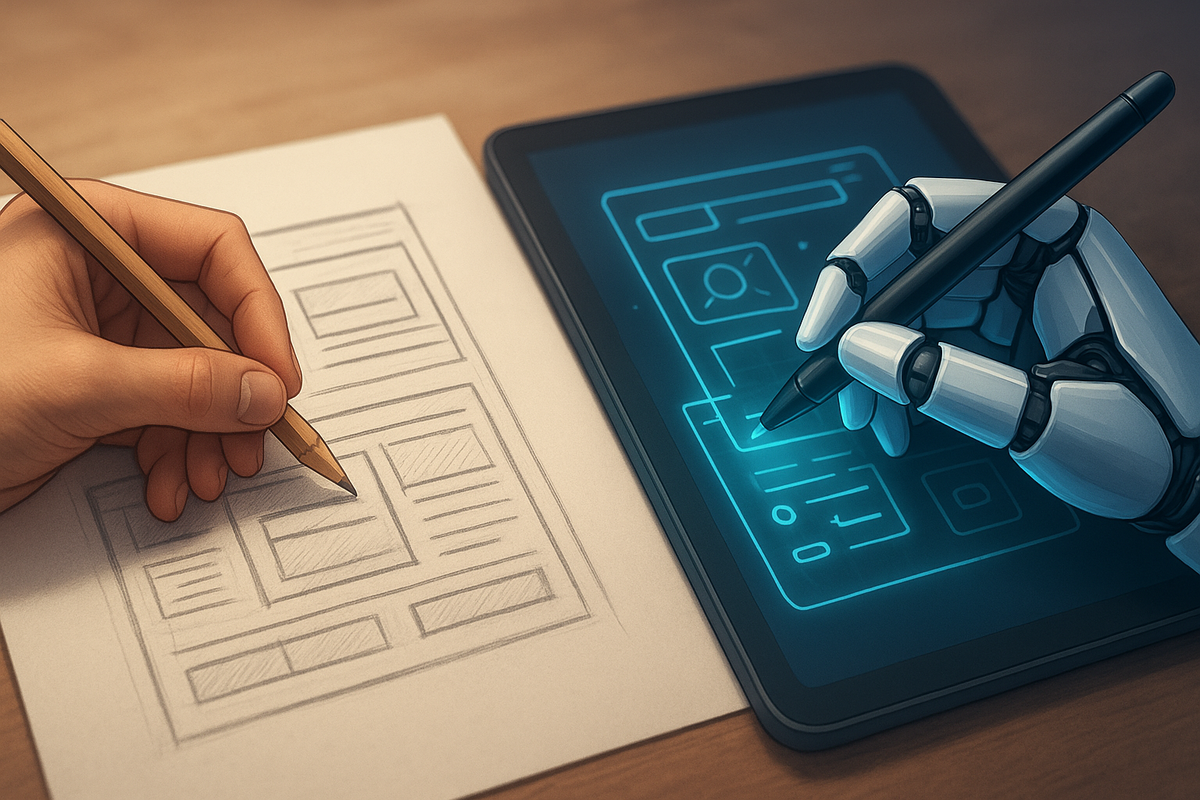
We see the same pattern is showing up on the design side of our practice too. AI prototyping tools can produce a polished-looking interface in minutes. Getting from a good-looking screen to something that’s usable, accessible and consistent with the rest of the product is still where the real work happens. The tools close the distance to something that looks finished. They don’t close the gap between looking finished and being right.
Instead of spending most of their time writing code, experienced engineers and designers spend more time asking questions:
Is this solving the right problem?
What assumptions are we making?
What happens six months from now?
How will this affect the rest of the product?
Is there a simpler way to achieve the same outcome?
Those questions have always mattered. AI simply makes them more important.
What Does "Understanding Enough" Actually Look Like?
If no one can understand an entire software product, how do experienced teams know when they understand enough?
It starts with recognising that understanding is measured by whether you can make good decisions with confidence, not by how much code you can explain.
That means understanding the problem before the solution. Why are we building this? Who is it for? What outcome are we trying to achieve? Those questions often matter more than the implementation itself.
It also means understanding the boundaries of a system rather than every line of code within it. Experienced engineers know how data moves, where integrations begin and end, which parts of the platform carry the most risk, and what could be affected by a change. They don't need to memorise every function to make informed decisions.
Just as importantly, great teams make their thinking visible. They document why decisions were made, not just what was built. They challenge assumptions early, validate ideas with users and involve designers, engineers and stakeholders throughout the process. Shared understanding reduces risk far more effectively than relying on one person to hold all the answers.
This approach also makes AI more effective. AI can generate code in seconds, but it still relies on people to provide context, identify trade-offs and judge whether a solution is appropriate. The better a team's shared understanding, the better the outcomes AI can help produce.
Understanding enough means knowing enough to move forward confidently, recognising what you don't know, and creating an environment where learning continues throughout the life of the product.

How Great Software Teams Reduce Risk and Uncertainty
Software projects rarely fail because developers can’t write code. They fail because teams misunderstand the problem they’re trying to solve.
Requirements change. Business priorities shift. Users behave differently than expected. Technology evolves.
The strongest engineering teams recognise uncertainty early instead of pretending it doesn’t exist. They break problems into smaller pieces, test ideas before committing significant investment, challenge assumptions rather than accepting them, and make trade-offs deliberately.
This thinking should begin before the build. Strong strategy, architecture and discovery give teams the space to question requirements, map complexity and make informed decisions before expensive assumptions become embedded in the product.
Great teams create confidence through learning, not certainty through guesswork.
Why Shared Understanding Matters More Than Individual Knowledge
One person knowing everything creates risk. When knowledge sits with a single developer, every holiday, resignation or organisational change becomes a potential bottleneck.
Healthy engineering teams build shared understanding instead. That means involving the right people early. Designers understand user needs. Engineers understand technical constraints. Product leaders understand business priorities. Stakeholders understand commercial outcomes.
The best decisions happen when those perspectives come together.
Documentation helps. Architecture diagrams help. Workshops help. But the real goal is creating enough shared understanding for the team to move forward confidently, not documenting every technical detail.
Why Experience Matters in Complex Software Projects
Anyone can build a straightforward application. The real test comes later.
When new regulations appear. When customers ask for something unexpected. When another platform needs integrating. When the business changes direction.
These moments expose whether software was built to evolve or simply built to launch. They also show why software maintenance deserves attention from the beginning, rather than being treated as a problem for later.
That’s where experienced software partners earn their value. Not because they have all the answers, but because they’re comfortable navigating questions that don’t yet have clear answers.
They know how to explore options, challenge assumptions and make thoughtful decisions without pretending complexity doesn’t exist. This is particularly important in digital product development, where the quality of the thinking before the first line of code often shapes everything that follows.
The Goal Isn't Simplicity. It's Better Decisions.
Complexity is an inevitable part of building successful software. The goal is to understand it well enough to make good decisions, not to eliminate it entirely.
That’s why curiosity remains one of the most valuable qualities in software engineering. Curious teams ask better questions, uncover hidden assumptions, identify risks earlier and build products that continue delivering value long after the first release.
In a world where AI is making software faster to build, the teams that succeed won’t be those that write the most code. They’ll be the teams that best understand the problems worth solving.
If your software is carrying more complexity than anyone can currently account for, that’s usually worth surfacing before it gets expensive to unwind. Our strategy, architecture and discovery work exists for exactly that conversation, so book a free session with us today and let’s talk before things get too out of hand.