
Genuine Digital Partnership
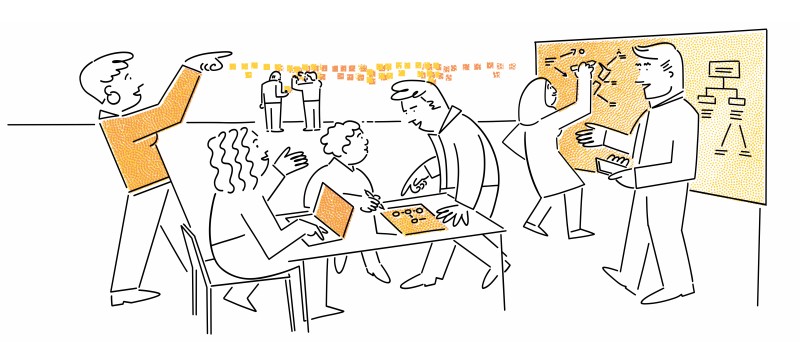
We build stable, long-lasting teams and that matters more than it might sound. It means that the people who designed and built your product are still here when you need to evolve it, fix it, or bring it in house. There's no knowledge transfer tax, no briefing a fresh team on decisions made two years ago. The context stays.
That continuity shapes everything: how we communicate, how we make decisions, how we handle the moments when things don't go to plan. We're not optimising for the end of a project. We're thinking about what this relationship looks like over years. We know that long lasting partnerships are founded on transparency, trust and open communication, so we show up with that from day one.
People First
Excellent digital products are built by people who are genuinely curious about the problem, not just the brief.
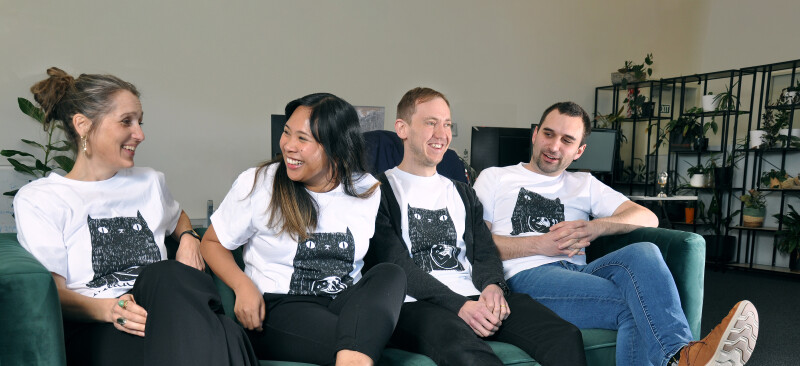
Our team brings together UX researchers & designers, software engineers, architects and technical consultants who share one habit: they want to understand the world a product has to work in before they start designing it. The regulatory pressures, the user behaviours that don't show up in analytics, the organisational dynamics that will shape adoption. That kind of understanding doesn't come from a process. It comes from people who are wired to ask one more question and test assumptions ruthlessly.
You'll work directly with those people. A New Zealand based team, senior engineers, experienced designers and they're with you across the whole lifecycle. The people you meet are the people who build.

Every Project & Partner is Unique
No two projects are the same and no two partners arrive with the same capabilities, constraints, or ambitions. We take the time to understand what you already have before recommending what you need, including being honest when a lighter touch, a different scope, or a phased approach would serve you better.
We can build and lead a full delivery team, or step in as expert support alongside your in-house people (or a great many things in between). We flex as your project and organisation evolves- and we'll tell you honestly when we think the shape of the engagement should change.
Anticipate Change
Change management is not a service we provide. It's part of how we do business.
Your context will shift. Requirements will evolve. Better ideas will emerge mid-project and some of them will be worth acting on. With AI this happens faster and more frequently than ever before. We plan for that from the start, building in regular reviews of working software so we can catch the gap between what was specified and what's actually needed before it becomes expensive.
Iteration isn't a fallback when things go wrong. It's how we stay honest about whether we're on the right track and course-correct when we're not.
Pragmatic Agility
Agile is a means, not an end. We use it because short cycles, regular reviews, and continuous delivery genuinely reduce risk and surface problems early not because it's what the industry expects.
In practice that means pragmatism wins when process and reality conflict. We'll adapt our cadence, our tooling, and our ways of working to fit your team and your constraints and we'll be transparent about the tradeoffs when we do.
AI-Augmented
Everyone has access to AI tools now. What matters is how you use them - and who's making the calls when it really counts.
We use AI across the software development lifecycle in ways that make our work sharper, not just faster. That means applying it where it genuinely helps, pattern recognition, code assistance, documentation, complexity mapping but we keep human judgment firmly in charge of everything that matters.
Our developers focus on what AI can't do well: understanding your specific context, making the architectural decisions that will age gracefully, and holding the line on quality when shortcuts are tempting. That's not a constraint on how we use AI. It's the whole point.
How we use AI across the lifecycle:
Discovery & Planning - AI-powered analysis helps us map complexity and surface risks earlier, so we're solving the right problems from the start
Development - AI assists with routine patterns and boilerplate code; our engineers own the complex business logic, the architecture, and the quality bar
Documentation - AI helps keep documentation current and useful throughout the project, not just at the end.
AI amplifies our capability, but our curious minds, strategic thinking, and accountability remain reassuringly human.
Curious?
Let's talk