MadeCurious has built, supports and maintains a significant number of large applications with 10-15 year+ useful lives. When you work across the whole of the Software Development Lifecycle in this way, you become deeply aware that every stage of a digital product affects the next one.
That’s why we’ve put together a series: The Long View - linking up the full shape of a system's life from the decisions made before build, through the pressures of delivery, to the ongoing care that keeps a system valuable.
See here for Part 1: De-risking Before the Build
See here for Part 2: The Feature Pressure Problem
This article looks at Part 3: Why Software Maintenance Deserves Your Attention
________________________________________________________________
Why Software Maintenance Deserves Your Attention
Software maintenance rarely gets the attention given to new features or launches. This article explores why ongoing care is essential to keeping a system reliable, secure, and valuable over time.
Key takeaways:
- Software maintenance protects reliability and security.
- Most systems require ongoing care for 5–15 years.
- Proactive monitoring prevents expensive failures.
- Maintenance enables systems to evolve with business needs.
________________________________________________________________
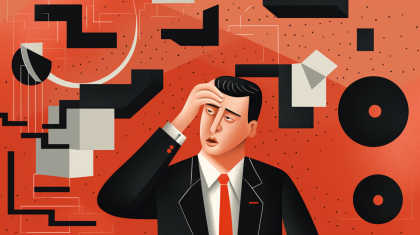
Software maintenance. The oft-neglected, less glamorous cousin of shiny new features and glossy interface updates. Like the plumbing in your house - it rarely crosses your mind until a pipe bursts at 3am, there's water everywhere, and suddenly, it's all you can think about. Software maintenance is often invisible until something breaks. But proactive maintenance protects system reliability, security, and long-term performance.
But it doesn't have to be that way. Smart, proactive maintenance transforms this reactive cycle into a predictable process that protects your investment and reduces business risk.
Every digital solution, whether it's a customer portal, internal tool, or public website, requires regular care to stay healthy and secure. Just as you service your car or maintain your home, software needs consistent attention to prevent problems before they occur.

What makes the MadeCurious. approach different is how we integrate maintenance into the full lifecycle of your solution. By keeping the same team involved in both building and supporting your platform, we bring deep technical knowledge and business context to every decision. This means faster problem-solving, more strategic improvements, and better outcomes for your organisation.
In his recent blog, Stu explored the technical foundations of software maintenance. Here, we'll take you behind the scenes to show how it works for us in practice - how proactive maintenance keeps platforms healthy and fit for purpose, and most importantly, why this matters for business outcomes.
Why software maintenance matters for long-term systems
First up, in this blog we're talking about software designed to serve organisations and communities for 5 - 15 years - not short-lived prototypes or proof-of-concepts. For these long-term solutions, a considered approach to maintenance is essential to maximise value over time.
We’ve seen first-hand how different organisations approach this long-term challenge. Our response has been to develop flexible managed services arrangements that adapt to our partners’ context.
Each package is customised to your unique context, but typically involves elements of the following:
- Infrastructure and hosting with 99.5% availability
- Proactive monitoring and incident response
- Technical support with defined service levels
- Security vulnerability management and patching
- Ongoing alignment with your business objectives
Beyond day-to-day maintenance, each package can include retainer hours - think of it like a pre-paid pool of time for improvements and strategic changes. While regular maintenance keeps your system running smoothly, retainer hours let you evolve your solution when business needs change. You might use them for:
- Adding new features to enhance functionality
- Optimising user experience for better engagement
- Staff training and documentation to support internal teams
- Strategic planning and advice to align with business goals or explore opportunities
- Change Management consultancy and support for seamless transitions
You decide when and how to use these hours, and we'll help track usage and regularly review the balance to ensure you're getting the most value.
The hidden cost of neglect
Technical debt accumulates in every system over time. New security vulnerabilities emerge, frameworks age, dependencies become outdated, and performance gradually degrades. When regular maintenance is deprioritised, these issues silently build up in the background, turning minor inefficiencies into major problems that become increasingly expensive and complex to fix.

The financial and reputational impact of neglected maintenance hits hard in multiple ways. Downtime for unmaintained systems costs organisations an average of $5,600 per minute, while slow performance directly impacts revenue - even a 1-second delay in response time can reduce conversions by 7%, and more than half of mobile users will abandon a site that takes longer than 3 seconds to load. The security implications are equally severe, with the Reserve Bank of New Zealand reporting that cyber incidents cost the banking industry alone around NZD 104 million annually. These aren't just numbers - they represent lost revenue, damaged customer relationships, and eroded trust that can take years to rebuild.
When critical systems fail - especially in public-facing solutions or those with regulatory obligations - organisations must manage customer outrage and stakeholder concerns over preventable outages.
Here's the reality: maintenance isn't optional - it's a matter of when and how it's addressed. Organisations can choose to plan and budget for it proactively, tackling issues before they become problems. Or they can wait until a critical outage forces an urgent response - usually at the worst possible moment, when the impact is highest and cost is steepest.
How proactive software maintenance keeps systems healthy
Software is never static - business needs change, user expectations evolve, and new opportunities emerge. That's why our approach goes beyond just fixing problems. We conduct regular health checks looking at:
- Infrastructure performance and reliability
- Security vulnerabilities and framework versions
- Support patterns and high-load areas
- User behaviour and pain points
- System performance and bottlenecks
- Backup and disaster recovery readiness
These insights help us spot potential issues before they impact your business and identify opportunities for improvement. Think of it like maintaining solid foundations - regular upkeep makes it easier, faster, and cheaper to add new features when you need them, rather than forcing risky 'big bang' upgrades under pressure.
While stakeholders often prefer investing in new features that deliver visible business value, maintaining and enhancing systems aren't mutually exclusive goals. Supporting our customers in finding that balance between maintenance and enhancement is what our managed services approach is based on. Because we keep the same team both building and supporting solutions as much as possible, we're able to bring deep knowledge of the technology and business context to recommendations and decisions.
By bringing together technical insights with real-world usage data, we help our customers make informed decisions about where to invest in their solutions. Everything we identify gets added to a roadmap, and you can use retainer hours to tackle these improvements at a pace that works for your business.
Safeguarding your digital assets
Especially for public sector and non-profit organisations, a digital solution is more than just code in the cloud. It represents months of hard work - stakeholder workshops, business cases, procurement process, and complex change management. By the time a solution goes live, it's a strategic asset that represents a significant investment of not just money, but time, energy and organisational buy-in.
Proactive maintenance goes beyond keeping the lights on - it's about protecting, and extending the value of this investment. The longevity and value of a digital solution depends not only on how well it was built, but also on how well it is taken care of.
It's not just about building the right thing, but about keeping it right too.

Partnership for the Future
Software systems are not static assets. They live inside changing environments, shifting user needs, evolving security risks, and growing technical complexity. Without ongoing care, even well-built platforms slowly lose reliability and value.
Treating software maintenance as part of the lifecycle, not an afterthought, protects the investment you have already made. The organisations that plan for this from the start end up with systems that remain stable, adaptable, and useful for far longer than those that only react when something breaks.
Don't wait for the metaphorical pipe to burst. Let's discuss how we can protect your digital investment and give you peace of mind that your systems are ready for whatever tomorrow brings.
Next in The Long View: Why Software Maintenance Deserves Your Attention → The feature pressure problem doesn't end at go-live. It shows up later - in the systems that are slow to change, expensive to fix, and harder to love than they should be.
________________________________________________________________
Previously in The Long View: Part 2: The Feature Pressure Problem → the pressures that build during delivery, and what they cost when nobody's watching.
Also Previously in The Long View: Part 1: De-Risk Before the Build → how early assumptions and unclear problems create risk, and what teams can do to reduce it before build begins.